
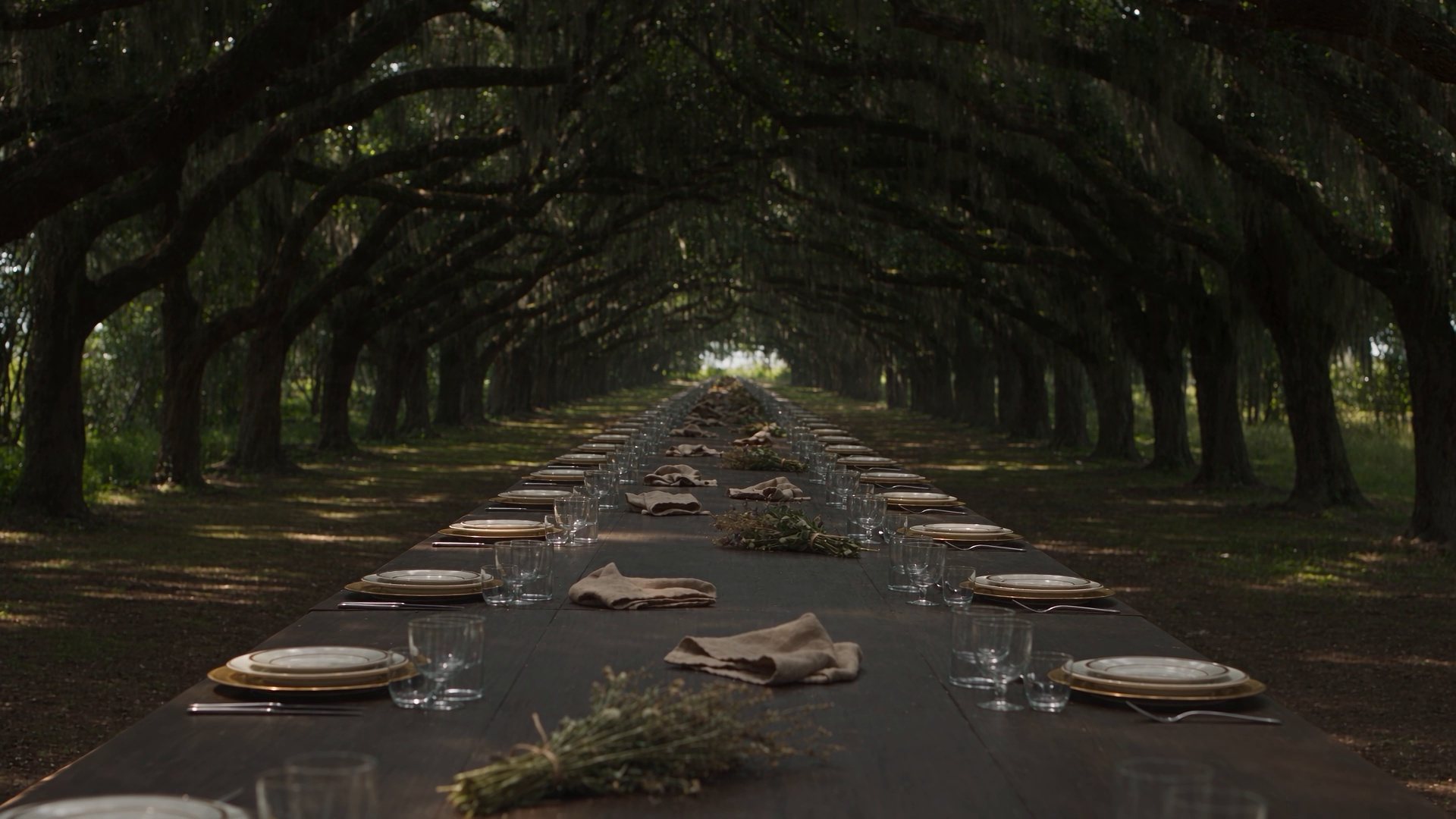
We didn’t set out to build softwareWe set out to make a film
At Vertigo Films, we’d spent more than twenty years making commercial feature films and high-end television drama in every genre for studios, broadcasters and streamers. In 2024, we got a very early look at Sora, OpenAI’s first video model, and knew filmmaking was about to change.
Chad Nelson (OpenAI) and Nik Kleverov (Native Foreign) had already shown what was possible with their AI short Critterz. We wanted to take the next step: could this technology be used to make a feature film for a global audience?
So we joined forces to make Critterz the movie.
And that’s when we discovered the problem.
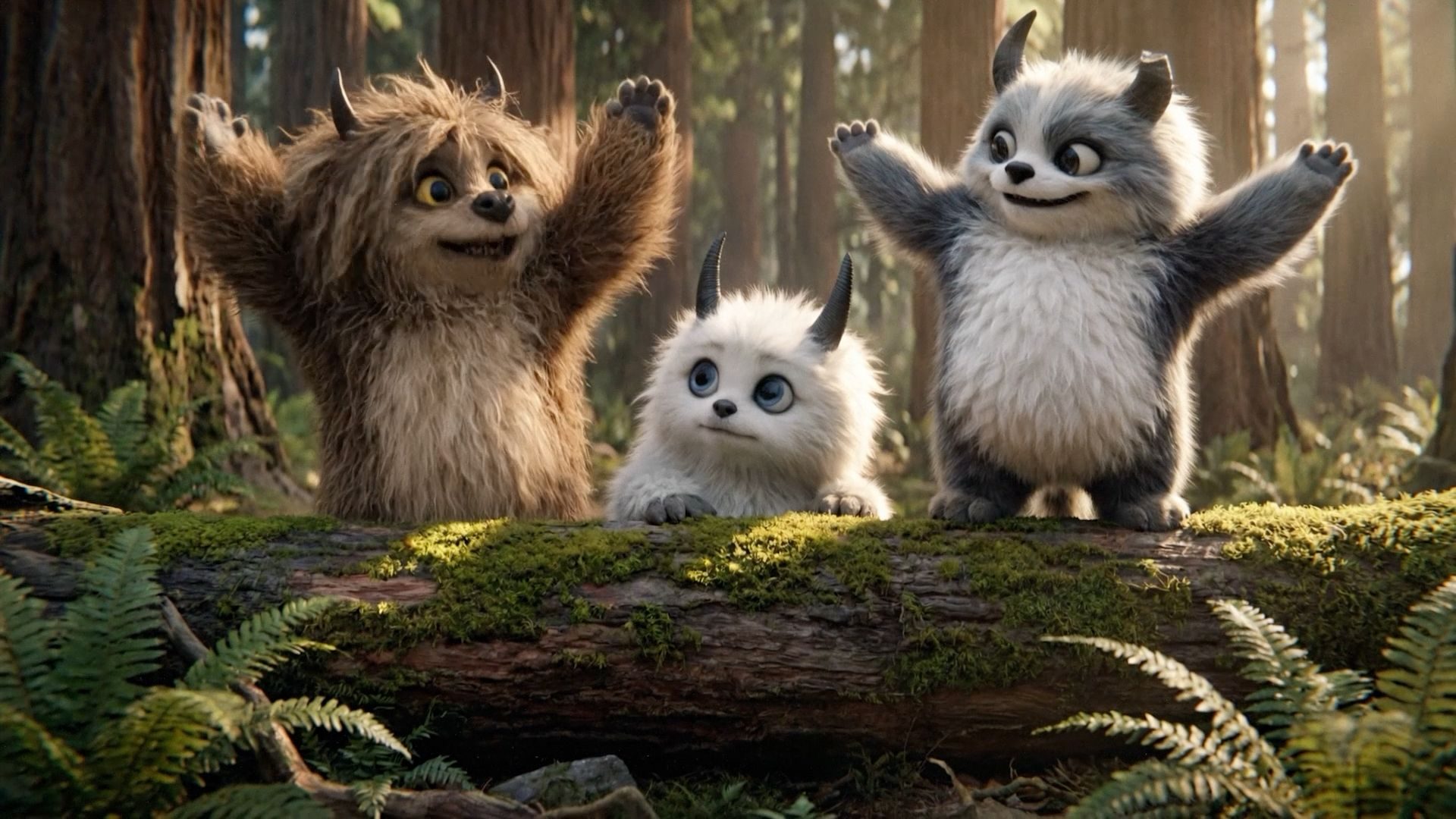
Generating a shot is one thing. Making a film is something else entirely
A feature needs characters and worlds that remain consistent across hundreds of shots. It needs writers, designers, animators, editors and producers working from the same creative material. It needs versions, notes, approvals and a production pipeline that can take an idea all the way to a finished film.
The AI tools could give us clips.
What we needed was a production system.
So we built one.
We called it Woven.
When the technology changed, Woven changed with it. Rather than building around any single AI model, we made Woven multi-model, giving filmmakers and creative teams the freedom to choose the tools that work for their project.
Because the models will keep changing.
Your production shouldn’t have to.
Along the way, we realised the problems we were solving weren’t unique to us. Every filmmaker, producer and studio bringing AI into professional production was going to face them.
Woven is our answer.
It’s built by people who have spent their careers on set, in the edit and in the financing meeting. AI may change how films are made, but the story, the performance and the final creative decision still belong to the filmmakers.
We built Woven to carry the full production workflow for a professional feature film.
We’re making Critterz on it.
Now it’s ready for yours.